
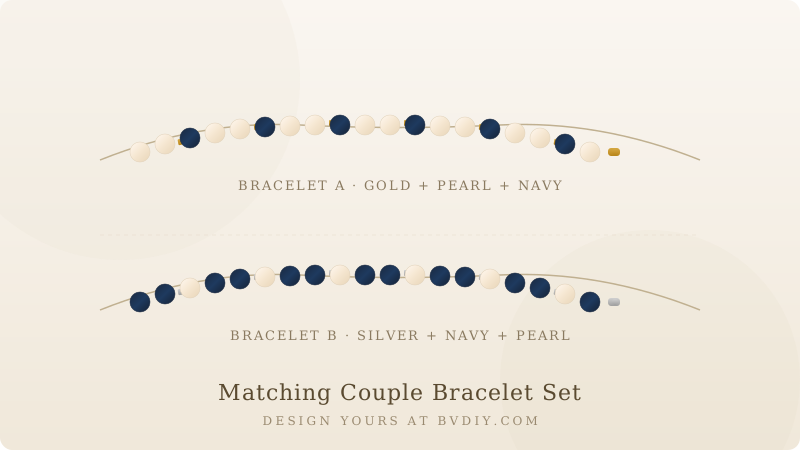
A matching couple bracelet set says something that words often cannot. It is a quiet signal — a shared detail that only the two of you know exists. But the best couple bracelets do not come from a generic gift shop. They come from a design conversation: choosing the bead colors that mean something to you both, deciding whether to match exactly or complement each other, and building each bracelet bead by bead until the set feels right. This guide walks through how to design a matching couple bracelet set that feels personal, intentional, and built to last — just like the relationship it represents.
The best matching couple bracelet sets use a complementary approach rather than an identical one. Choose one shared element — an accent color, a metal finish, or a bead pattern — and let the rest of each bracelet reflect the individual wearer. A shared accent color on both bracelets with a consistent metal finish creates visual unity without forcing two different people to wear the same design. For most couples, the formula is: same metal finish + same accent color + different main bead colors. This keeps the set cohesive while respecting each person's style.
1. Decide: identical, complementary, or coordinated?
Before choosing a single bead, decide what kind of matching you want. There are three approaches, and each creates a different feel.
Identical sets use the exact same beads, pattern, and finish on both bracelets. This works best when both partners share a similar style and wrist size. The message is clear: we are on the same page. Identical bracelets look striking in photos and leave no doubt that they belong together. However, a design that looks elegant on one wrist may feel too bold or too delicate on the other. If you choose identical, keep the design simple — a neutral pearl base with one accent color — so it works for both wearers.
Complementary sets share a common thread — same accent color, same metal finish, or same bead rhythm — while each bracelet uses different main beads. This is the most popular approach at BVDIY because it respects individual style while creating an obvious visual connection. One bracelet might use cream pearl beads with navy crystal accents, while the other uses navy crystal beads with cream pearl accents. The shared colors tie them together even though the proportions are reversed.
Coordinated sets share only a metal finish or a subtle design rhythm. One bracelet might be all gold-accented pearls, while the other uses gold-accented crystals. They match in spirit rather than in color. This is the most subtle approach — the connection is visible to the couple wearing them but not immediately obvious to others. Some couples prefer this level of restraint.
Start by deciding which approach fits your relationship. There is no right answer — only the one that feels right for the two of you.
2. Choose your shared element first
Once you know your matching style, pick the one element that will appear on both bracelets. This shared element is what makes the set feel like a set rather than two separate purchases.
Metal finish is the easiest shared element to get right. If both bracelets use gold spacers and a gold clasp, they will read as a pair even if bead colors differ completely. Silver has the same effect. Choosing a consistent metal finish is the lowest-effort way to create visual unity. It also makes sense practically — most people already wear one metal more than the other, so matching to that preference makes the bracelet comfortable in their daily rotation.
Shared accent color is the most visually obvious shared element. A single accent bead color that appears on both bracelets — spaced at the same rhythm, at matching positions — creates a clear visual echo. Navy blue on both bracelets, or soft rose, or deep emerald. The accent color becomes the visual thread that weaves the set together.
Shared bead pattern is the most subtle approach. If both bracelets use the same repeating rhythm — one accent bead every fourth position, for example — the pattern creates a structural connection even when the colors differ. Only the couple wearing them might notice the shared rhythm, which some find more romantic than obvious matching.
Whichever element you choose, commit to it. A set works best when one thing is clearly shared and everything else is allowed to differ.
3. Design each bracelet bead by bead
With your shared element in place, design each bracelet individually. This is where the BVDIY approach shines — you will build each design bead by bead, so every choice is intentional.
Start with the bracelet for the person who is pickier about jewelry. That design defines the constraints — bead size, color palette, metal finish — that the second bracelet will work around. Once the first design is locked, design the second bracelet to echo it through the shared element you chose earlier.
For a complementary set using a shared accent color, here is a reliable starting point:
- Bracelet A (main): Cream pearl base beads + navy crystal accent beads (one every fourth position) + gold spacers
- Bracelet B (main): Navy crystal base beads + cream pearl accent beads (one every fourth position) + gold spacers
The colors are reversed, but the shared accent palette and metal finish tie them together. Add small gold or silver spacer beads before each accent bead on both bracelets to give the accent color visual breathing room and to reinforce the shared rhythm.
Use the BVDIY bracelet designer to build both designs and preview them side by side before finalizing. The real-time preview lets you adjust bead positions until the set feels balanced.
4. Bead size considerations for two different wrists
Few couples have identical wrist sizes, and bead size preferences often differ too. A person with a smaller wrist may prefer 6mm beads for a delicate look, while a partner with a larger wrist may feel that 8mm or 10mm beads offer better proportion. This is completely normal and one of the main reasons complementary sets work better than identical ones.
If wrist sizes differ by more than half an inch (approximately 12mm), consider using different bead sizes on each bracelet. The bracelets will still read as a set if the shared element — accent color, metal finish, or pattern — is consistent. A 6mm pearl bracelet with navy accents on one wrist and an 8mm navy crystal bracelet with pearl accents on the other creates a visually balanced set even though the bead sizes differ.
For bead count reference, a 6-inch wrist typically needs 28 beads at 6mm or 20 beads at 8mm, while a 7-inch wrist needs 32 beads at 6mm or 24 beads at 8mm. These counts include small spacer beads every third or fourth position. Each bracelet should be sized independently for the person wearing it. Check the BVDIY bead library to compare bead sizes and finishes side by side.
5. Adding personal touches that only you know
The most memorable couple bracelet sets include a detail that only the two of you recognize. This hidden personalization turns a nice set into a meaningful one.
Birth or anniversary month beads: Use each partner's birthstone crystal as an accent bead on the other person's bracelet. She wears his birthstone on her bracelet; he wears hers on his. This creates a subtle exchange that carries obvious meaning once explained.
Shared memory color: Choose an accent color that represents a shared memory — the blue of the ocean on your first trip together, the green of the park where you met, the warm gold of a sunset you watched. The color looks like a design choice to everyone else, but carries personal meaning for the two of you.
Number of accent beads: Use the same number of accent beads on each bracelet, chosen to represent a meaningful number — the number of years you have been together, the month you met, or your anniversary date. The count is invisible to anyone who does not know, but it gives the set a structure that feels intentional.
These small touches take seconds to decide but add years of meaning to the finished set. They are the reason custom beaded jewelry carries emotional weight that store-bought gifts cannot match.
6. Practical considerations for lasting wear
A couple bracelet set is designed to be worn — ideally every day. That means durability and comfort matter as much as the design itself.
For active wear, crystal beads are more durable than pearls. The polished surface resists scratches, does not absorb lotions or moisture, and holds up better to daily movement. If one or both partners work with their hands, exercise regularly, or prefer low-maintenance jewelry, crystal-based designs are the practical choice. Pearl-based designs work beautifully for less active wear or for people who are already comfortable caring for delicate jewelry.
Lobster clasps with extension chains are the most practical closure for daily wear. The extension chain gives each bracelet 5mm to 10mm of adjustability, which is especially useful when designing for someone whose wrist size you are estimating rather than measuring. A well-fitted bracelet should sit comfortably against the wrist with enough room to slide a fingertip underneath.
Both bracelets in a set should use the same clasp style so they feel consistent when worn. Mixing clasp types in a couple set can make one bracelet feel noticeably different from the other, which undermines the visual pairing you have created through the beads.
Design your couple set through the BVDIY bracelet designer to preview each bracelet individually before ordering. The real-time preview helps you confirm that the shared elements are working and that both designs feel balanced together.