
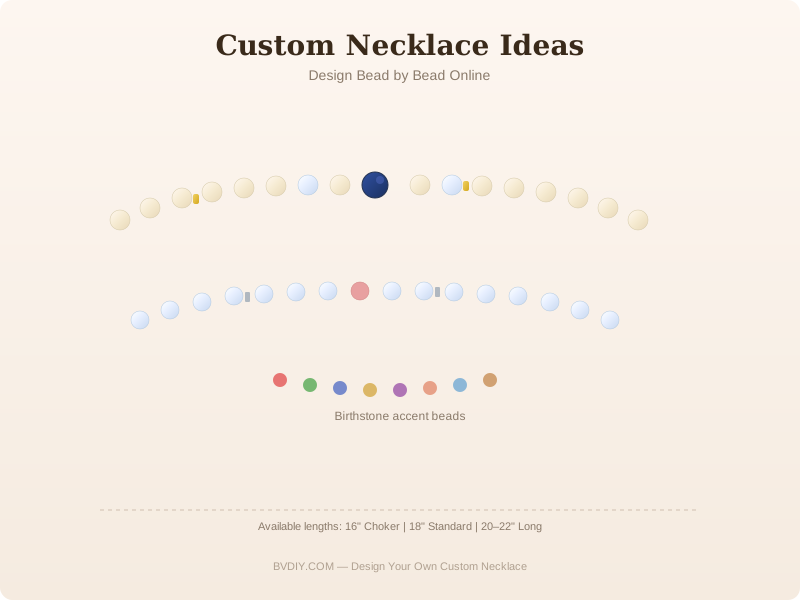
Beaded necklaces have a quiet charm that chain necklaces cannot quite replicate — they catch light differently, carry texture, and feel warmer against the skin. A custom beaded necklace lets you choose every element: the bead colors, the finish, the length, the pattern, and the meaning behind each choice. Whether you are designing for yourself or as a gift, the process of building a necklace bead by bead creates a piece that is genuinely yours. This guide covers popular necklace styles, practical design tips, and how to think about length, layout, and materials when designing online.
The most popular custom necklace styles are single-strand pearls with gold or silver accents, birthstone necklaces with a neutral base and colored accent beads, and layered crystal necklaces with alternating finishes. Start with an 18-inch length for a universal fit. Use the same three-color palette approach as bracelets — anchor, neutral, accent — but scale up the bead size to 8-10mm for more visual presence. Design each element in the BVDIY studio and preview the full layout before ordering.
1. Single-strand pearl necklace with metal accents
Single-strand pearl necklaces are timeless for a reason. They work with almost every outfit, every occasion, and every personal style. The difference between a store-bought pearl necklace and a custom one is that you choose the exact pearl tone, the spacer frequency, and the metal finish that suits the wearer.
Cream pearls with small gold spacer beads every fourth pearl create a warm, classic look that feels elevated without being formal. White pearls with silver accents read cooler and more contemporary — they pair beautifully with silver earrings and cool-toned wardrobes. Champagne or blush-toned pearls lean romantic and work well as a gift for bridesmaids, mothers, or anniversaries.
When designing a pearl necklace, bead size matters more than it does with bracelets. 8mm pearls create a delicate, refined look. 10mm pearls are more substantial and visible — they make a statement without being large. Mixing sizes within the same necklace (for example, 8mm as the main bead with 6mm pearls as accents) adds texture and depth that a single-size design cannot achieve. Browse the available pearl finishes in the BVDIY bead library to see the range before planning your layout.
2. Birthstone necklace: personal without being obvious
A birthstone necklace works the same way a birthstone bracelet does — the color carries the meaning so the design does not have to announce it. But a necklace gives you more room to work with, which means more creative freedom with the layout.
The most popular birthstone necklace design at BVDIY uses a cluster approach: three to five birthstone-colored beads grouped at the center front of the necklace, with neutral beads filling the rest of the strand. The cluster draws the eye to the center without requiring the entire necklace to be filled with the birthstone color.
For a single birthstone, place the cluster at the center and mirror it on both sides with neutral beads. For a family necklace with multiple birthstones, use a separate cluster for each birth month, with neutral beads and spacers between each group. The clusters should be evenly spaced around the necklace so the design feels balanced rather than lopsided.
A birthstone necklace also works well as a gift because the birth month is all you need to know. If you also know their favorite neutral color and preferred metal finish, you can design a complete piece without ever measuring or asking about style preferences. You can lay out the full arrangement in the BVDIY bracelet designer, which works for necklaces too — just select the necklace length option at the start.
3. Layered crystal and pearl necklace
One design trend that has remained popular is the layered crystal and pearl combination. A single necklace that alternates clear crystal beads with creamy or white pearls creates a sophisticated look with natural rhythm. The transparency of the crystal beads lets light pass through between the matte pearls, giving the necklace depth without needing a second strand.
The alternating pattern is simple: pearl, crystal, crystal, spacer, pearl, crystal, crystal, spacer — repeat for the full length. The double crystal beads between each pearl create a visual pulse that keeps the eye moving around the necklace. Add a single accent bead in a color like deep blue or rose pink every six to eight positions if you want a personal color touch without changing the overall neutral feel.
For a necklace that looks like two strands but is actually one, use a chevron or gradient pattern: start with mostly pearls at the back, transition to mostly crystals toward the front, and place your accent beads at the center. The gradual shift from matte to transparent creates a subtle ombre effect that looks more complex than it is to design.
4. Minimalist single-accent necklace
Not everyone wants a necklace full of beads. For someone who prefers minimal jewelry, a mostly-neutral necklace with a single focal accent bead makes a thoughtful and wearable gift. The design is straightforward: 90 percent neutral beads (cream pearl, white pearl, or clear crystal) with one distinct accent bead at the center front.
The accent bead should be different enough to stand out — a larger bead size, a different finish, or a contrasting color. A cream pearl necklace with a single deep sapphire crystal at the center draws the eye to one focal point without needing any other detail. The effect is elegant, intentional, and quietly personal.
This design works especially well as a gift because it is almost impossible to get wrong. The neutral beads ensure the necklace goes with everything. The single accent carries whatever meaning you assign to it. The overall look is understated enough that the recipient will wear it regularly, and the personal touch is visible to anyone who looks closely.
5. Matching set: necklace and bracelet
Designing a matching necklace and bracelet set is one of the most satisfying projects you can build in the BVDIY design studio. The concept is simple: use the same bead palette and pattern in both pieces, scaled appropriately for size.
A matching set feels cohesive when the bead colors, finish, and metal spacers are consistent. The bracelet uses the same combination of anchor, neutral, and accent beads, just with fewer beads total. The necklace keeps the same ratios and rhythm but stretched across 18 inches of beads.
Matching sets are popular for bridal parties, anniversary gifts, and mother-daughter gifts. They also make a strong impression as a gift because they show extra thought — the recipient gets a complete look rather than a single piece. Design the bracelet first to lock in your palette and pattern, then extend the same logic to the necklace layout.
6. How to choose the right necklace length
Necklace length affects how the design looks on the wearer more than almost any other factor. A choker-length necklace at 14-16 inches sits right at the collarbone and works best for petite frames or as a layering base. An 18-inch necklace is the standard length that fits most adults comfortably — it rests just below the collarbone and works with both crew necks and V-necks. A 20 to 22-inch necklace falls at the chest and creates a longer line that complements taller frames or open necklines.
For custom beaded necklaces, 18 inches is the safest starting point because it provides enough bead positions for a meaningful pattern without being too long or too short. A 16-inch necklace limits the number of accent beads you can use before the design feels crowded. A 20-inch necklace gives you room for multiple accent groups but can feel long on smaller frames.
If the necklace is a gift and you cannot check the recipient's preference, choose 18 inches. It fits the widest range of body types and necklines, and most beaded necklace designs at BVDIY are ordered in this length.
7. From design to finished piece
The process of designing a custom beaded necklace online at BVDIY follows the same logic as designing a bracelet: choose your length, pick your beads from the library, arrange them in your preferred pattern, and preview the full layout before placing your order. The design tool shows every bead in sequence so you know exactly what the finished piece will look like.
When designing a necklace, pay attention to how the pattern repeats. A bracelet has a short enough circumference that you can see the full pattern at a glance. A necklace wraps around and needs a repeating rhythm that reads well from every angle. A pattern that repeats every four to six beads creates a consistent visual pulse that works regardless of how the necklace rests on the neck.
Ready to start your design? The bead library has pearl, crystal, stone, and metal spacer options in every finish and color range. Choose your base, pick your accent, and build it bead by bead.
Related guides: How to Choose the Right Necklace Length for a Custom Beaded Necklace and How to Add Charms and Pendants to a Custom Bracelet.