
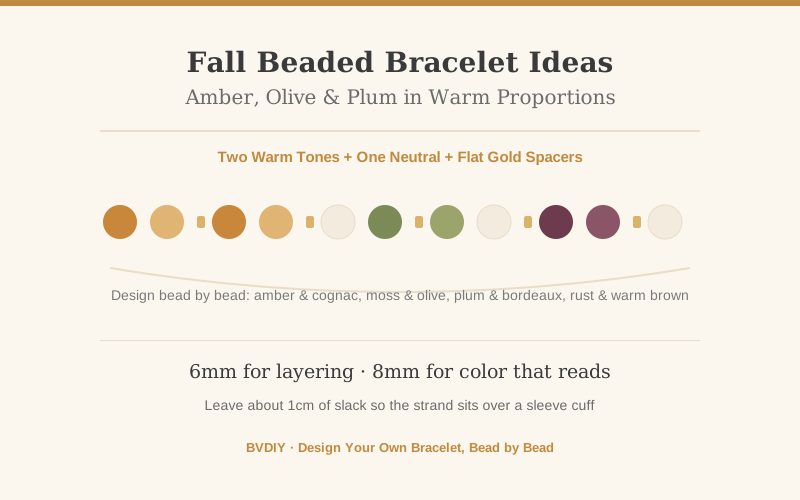
Autumn is the most forgiving season to design a bracelet for. The light turns warmer, the sweaters come out, and colors that feel loud in July — amber, rust, olive, oxblood — suddenly look calm and intentional on the wrist. That makes fall a good time to build a custom piece, whether it is for yourself or for someone whose birthday, anniversary, or simply favorite season lands between September and November. This guide walks through the palette, the finishes, and the proportions that make an autumn strand read exactly the way you want it to.
Build a fall bracelet around two or three warm tones — amber and cognac, moss green, plum, or deep rust — and let cream, bone, or camel beads do the breathing between them. Choose 6mm or 8mm round beads in glass, gemstone, or wood, add flat gold-tone or bronze spacers to separate color blocks, and leave a little extra slack so the strand sits comfortably over a sleeve cuff. One matte bead among a few polished ones adds depth without competing with the color story.
Start With Two Warm Tones, Not Five
Fall palettes look rich, but the strands that actually get worn are usually simple: one dominant color, one supporting color, and a neutral that separates them. Three competing warm tones tend to turn muddy at wrist distance. Pick a hero color first — the one the wearer genuinely reaches for — then a supporting tone one step away on the color wheel, and finish with cream, bone, or camel so the eye has somewhere to rest.
If you are designing as a gift and cannot see the recipient's wardrobe, warm neutrals are the safest hero: camel, honey, smoked ivory, or dusty terracotta. They read as autumn without making a statement, and they pair with denim as easily as wool.
Four Fall Color Stories That Work
Amber and cognac. Honey, caramel, and burnt-sugar tones with cream spacers. The most classic autumn pairing, and it looks especially good in translucent glass or polished wood where light moves through the beads.
Moss and olive. Deep green with warm grey or bone. Quieter than amber and easy to wear with both gold and silver. Add one darker green bead as an anchor so the strand does not wash out.
Plum and bordeaux. Wine, mulberry, and smoked purple separated by soft blush or taupe. The dressiest of the four, and a good fit for an autumn wedding or an evening piece.
Rust and warm brown. Terracotta, clay, and chestnut with a hint of antique gold. Grounded and unisex — the easiest palette to translate into a men's strand without changing a single bead size.
Bead Materials That Carry Autumn Color
Color behaves differently depending on the material, so choose the finish consciously. Polished glass and crystal pick up the most light and make warm tones glow; matte glass and stone absorb light and make the same color look deeper. Wooden and seed beads lean rustic and warm a strand instantly without adding shine.
Gemstone beads are the seasonal favorite for a good reason: many sit naturally in the autumn range, from honey and moss to smoke and clay. Natural stone varies from bead to bead, which is part of the charm — just decide in advance whether you want an even strand or one with visible variation. To compare finishes side by side, the bead library shows polished, matte, and natural options together.
Metal Tone, Spacers, and Proportion
Fall is the season gold-tone hardware earns its keep. Warm metal flatters amber, camel, olive, and plum alike, while silver or gunmetal works better with the cooler end of the autumn palette: smoked grey, deep green, mulberry. If you cannot decide, bronze and antique gold sit comfortably between the two.
Flat spacers do more work in an autumn design than in a summer one, because warm colors blend into each other easily. A single spacer between color blocks keeps the strand legible, and a second spacer every four to six beads gives it rhythm. Keep the spacers thin — chunky metal beads compete with the color story instead of framing it.
Three Designs You Can Build Today
Honeyed amber. 8mm amber and caramel beads alternating in pairs, with a cream bead and a flat gold spacer between each pair. Warm, simple, easy to wear daily.
Olive grove. 6mm olive and sage beads with warm grey accents, spaced with brushed bronze. Sits closer to the wrist and layers well with a watch.
Plum smoke. 6mm plum and bordeaux with smoked grey, one 8mm bead as a center anchor, and silver-tone spacers. More formal — a good match for an autumn wedding.
Fit, Sleeves, and Layering
Cold-weather wrists spend more time under fabric, so fit matters differently in autumn. A strand that feels snug in July can feel tight once a cuff pushes it up the forearm, so leave roughly 1cm of movement — a little more than a summer bracelet — and check that the finished length still sits below the wrist bone.
Layering gets easier in fall too. One warm-toned strand with a thin metal bangle reads deliberate; two beaded strands in the same palette look like a set. If you are measuring for a gift, the design tool lets you set the length and preview how the strand will sit.
Make It Personal — and Make It Last
Autumn already carries meaning — a season, a birthday, a wedding date — which makes it a natural fit for a piece with a detail only one person understands: a birthstone bead for an October or November birthday, a letter bead tucked near the clasp, or a small flat leaf charm. One personal element is usually enough; the color story is already doing the talking.
Care is simple: wipe the strand with a soft dry cloth, store it flat rather than hanging, and keep porous beads away from perfume and hand cream.
Ready to build one bead at a time? Start with two warm tones and a neutral, then let the design tool lay out the strand.
Frequently Asked Questions
What colors are best for a fall bracelet?
Amber and cognac with cream, olive with warm grey, plum and bordeaux, or rust with antique gold. Pick one hero color, one supporting tone, and one neutral, then use flat spacers to keep the color blocks readable at wrist distance.
What bead size works best for an autumn bracelet?
6mm for a slimmer, layerable strand and 8mm when you want the color to read clearly. Mixing 6mm and 8mm in the same strand adds depth, but keep the larger beads to one or two so the rhythm stays even.
Can I use gemstone beads for a fall bracelet?
Yes. Many stones sit naturally in the autumn range, from honey and moss to smoke and clay. Natural stone varies from bead to bead, so decide whether you want an even strand or one with visible variation, and consider hardness if the bracelet will be layered against metal.
How tight should a fall bracelet be?
Slightly looser than a summer bracelet — about 1cm of slack — so the strand can shift when a sleeve or cuff pushes it up the forearm. It should still sit below the wrist bone and never leave a mark.
Can I design a fall bracelet for a man?
Yes. Rust, chestnut, and antique gold on 8mm or 10mm beads with minimal metal reads masculine without changing anything else. Keep the strand to one main color with a neutral accent, and skip the charms.