
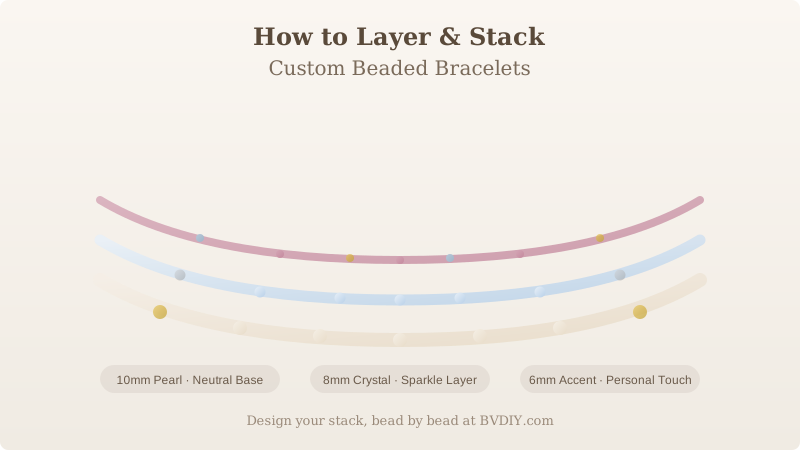
Stacking bracelets is one of the simplest ways to make a personal style statement. A single custom bracelet can be beautiful on its own, but layering two, three, or four bracelets creates a look that is entirely yours — a combination of colors, textures, and meanings that no one else will have. Whether you are building a stack from your own collection or designing a set as a gift, understanding how different bead types, sizes, and metals work together helps you create a layered look that feels intentional rather than accidental.
A well-stacked bracelet set uses three key principles: vary bead sizes (6mm, 8mm, and 10mm) to create depth, mix finishes (pearl matte with crystal sparkle) for texture contrast, and unify the stack with a common element — a shared accent color, matching metal spacers, or one consistent bead type across all bracelets. Start with two bracelets and add a third once you see how the first pair works together. The most wearable stacks combine one hero bracelet with one or two simpler, neutral bracelets that let the statement piece stand out.
1. Start with a hero bracelet
Every great bracelet stack has one piece that draws the eye first. This is your hero bracelet — the one with the most color, the most visual interest, or the most personal meaning. It might be a birthstone bracelet with multiple accent colors, a pearl-and-crystal combination that catches the light, or a design built around a single meaningful focal bead.
Build your hero bracelet first. Choose its colors, bead sizes, and metal finish without worrying about the rest of the stack yet. Once this bracelet feels right on its own, you have an anchor piece to design around. Everything else in the stack should complement the hero without competing with it.
If you are designing a stack as a gift, the hero bracelet is the one that carries the most personal meaning — the birthstone of the recipient's child, the colors of their favorite place, or the metal they wear most. The supporting bracelets follow from that foundation.
2. Layer by bead size for visual depth
The easiest way to make a bracelet stack look intentional is to vary bead sizes across different bracelets. When all bracelets in a stack use the same bead size, the stack reads as flat. When bead sizes differ, the eye registers depth and dimension.
A three-bracelet stack using 6mm, 8mm, and 10mm beads creates a natural visual hierarchy. The 6mm bracelet reads as delicate and base-level. The 8mm bracelet sits as the middle weight — substantial but not dominant. The 10mm bracelet becomes the boldest piece. Together, they create a graduated look that feels designed rather than random.
You can achieve a similar effect with two bracelets by pairing a 6mm or 8mm base bracelet with a 10mm accent bracelet. The size contrast alone makes the stack feel layered, even if both bracelets use similar colors.
Browse bead sizes in the BVDIY bead library to compare diameters side by side before designing your stack.
3. Mix finish types for texture contrast
Bead finish is the second most powerful tool for creating a cohesive stack. Different finishes catch light differently, so a stack that mixes finishes has more visual interest than one made from a single bead type.
Pearl finishes offer a soft, warm, matte glow. They work beautifully as the anchor texture in a stack because their gentle reflection does not overwhelm. A pearl bracelet in the stack provides a calm visual base that makes crystal and metallic beads stand out more.
Crystal finishes provide sparkle and transparency. A crystal bracelet in a pearl-dominant stack catches light and draws attention. Even a simple clear crystal bracelet with silver spacers becomes visually active when placed next to a matte pearl bracelet.
Metal finishes — gold or silver spacer beads throughout a design — add linear shine between bead positions. A bracelet with frequent metal spacers reads as lighter and more breathable compared to a fully beaded bracelet. This airy texture works well as the top or middle layer in a stack.
A common three-bracelet stack at BVDIY uses: a cream pearl bracelet (matte, warm base), a clear crystal bracelet (transparent, sparkly middle), and a birthstone accent bracelet (colorful, personal top). Each finish type plays a distinct role, and the result feels layered rather than chaotic.
4. Unify with a common thread
Even as you vary bead sizes and finishes, a cohesive stack needs a unifying element — one visual thread that ties the individual bracelets together. Without it, the stack can feel like separate pieces that happen to share a wrist rather than a coordinated set.
The simplest unifying thread is metal finish. If all bracelets in the stack use gold spacers and a gold clasp, the metal acts as a visual connector across different bead types. Even if one bracelet is all pearl, one is all crystal, and one uses accent colors, the shared gold finish makes them feel like a set.
Shared accent color is another powerful unifier. If your hero bracelet uses three accent colors, choose one of those colors and build a simpler supporting bracelet around it. The shared color creates a visual echo between the bracelets, making the stack feel intentional without being matchy-matchy.
Bead rhythm pattern — the spacing of beads and spacers — can also unify a stack. If all bracelets use a similar pattern (one spacer every fourth bead), the rhythm creates consistency across finishes. The pattern becomes the thread that ties everything together.
5. Practical stacking: how many bracelets work best
Two bracelets is the safest starting point for anyone new to stacking. Choose a hero bracelet and one supporting bracelet that shares at least one element — either the same metal finish, a shared accent color, or a complementary bead finish. This creates a deliberate-looking pair that feels intentional from the start.
Three bracelets is the most popular stack size at BVDIY. The three-bracelet rule is straightforward: one hero, one neutral spacer (all-pearl or all-crystal in a complementary finish), and one accent piece that introduces a new color or texture. This ratio ensures the hero stays visible and the stack has enough variation to look layered.
Four bracelets require more planning. At four, the stack starts to feel full, so each bracelet needs a distinct role. A typical four-bracelet stack includes: a hero, a neutral pearl base, a crystal sparkle layer, and a thin accent bracelet in a contrasting metal or color. Keep the fourth bracelet visually light — thinner beads or more spacing — so it does not add bulk.
Five or more bracelets work best when some are very delicate (4mm to 6mm beads) or when the stack uses adjustable bracelets with extension chains so they can sit at slightly different positions on the wrist.
6. Metal mixing: wearing gold and silver together
Mixed-metal stacking is a deliberate style choice that works when done with intention. If you want to wear both gold and silver spacers in the same stack, follow one guiding principle: choose one dominant metal and use the other as an accent.
A gold-dominant stack with one silver accent bracelet creates a warmer overall feel with a cool counterpoint. A silver-dominant stack with one gold accent bracelet reads cooler overall with a warm highlight. The key is imbalance — roughly 70 percent of one metal and 30 percent of the other — so the mix looks chosen rather than accidental.
If you prefer a cleaner look, keep all metals consistent across the stack. Gold all the way through creates a warm, classic, cohesive look. Silver all the way through reads cooler, more contemporary, and more minimalist. Both approaches work well; the right choice depends on what the wearer already has in their jewelry rotation.
Design each bracelet in your stack individually using the BVDIY bracelet designer. You can plan your full stack by saving each design and comparing them side by side before placing your order.
7. Caring for a stacked bracelet collection
When you wear multiple bracelets together, they rub against each other throughout the day. This normal contact does not damage well-made beads, but it does mean your bracelets benefit from occasional care.
Wipe each bracelet with a soft, dry cloth after wearing to remove oils, lotion residue, and dust. Pearl beads benefit from the most gentle care — use a microfiber cloth and avoid moisture. Crystal beads can be wiped more freely. Metal spacers and clasps need occasional polishing if they start to look dull.
Store stacked bracelets separately when not in use, or use a jewelry box with individual compartments. Storing them loosely together can cause metal clasps to scratch softer bead surfaces over time. A few seconds of care after each wear keeps your full stack looking fresh.