
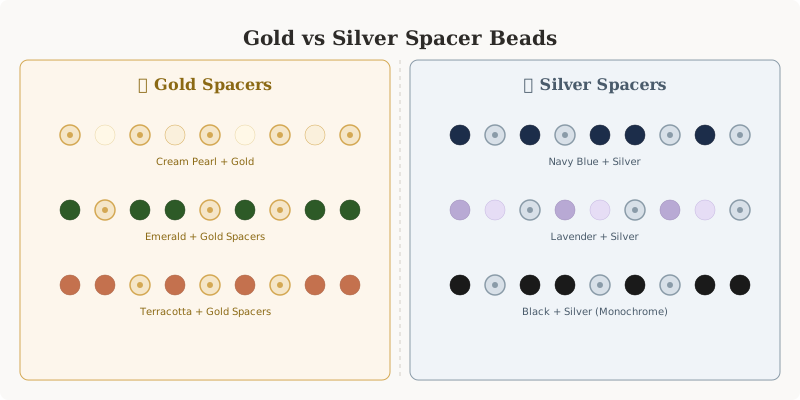
Spacer beads are small but they shape how the whole bracelet reads. Gold and silver are the two most common metal finishes, and choosing between them can change a bracelet from warm to cool, classic to contemporary, casual to polished. The good news is the choice comes down to a few simple factors: the color palette of your beads, the skin tone of the wearer, and the feeling you want the bracelet to carry.
Choose gold spacer beads when your bracelet uses warm bead colors (cream, peach, amber, red, olive, brown) and you want a rich, classic, or romantic feel. Choose silver spacer beads for cool bead colors (blue, purple, pink, green, white, clear crystal) and a clean, modern, or crisp look. Consider the wearer's skin tone if the bracelet is a gift — gold warms up cool skin tones, silver brightens warm skin tones. When in doubt, let the bead colors lead the decision.
1. How metal finish changes the bracelet's overall feel
Gold and silver are not neutral — they each carry a mood. Gold spacer beads read warm, rich, and classic. A bracelet with gold accents feels like something that could be passed down. It pairs naturally with earthy tones, creams, and deep jewel colors. Gold suggests tradition without being old-fashioned.
Silver spacer beads read clean, cool, and modern. A bracelet with silver accents feels fresh and intentional. It works well with bright colors, pastels, and dark contrast tones. Silver offers a crisp edge that makes bead colors pop rather than blend.
Neither is better. But putting warm-toned beads with silver, or cool-toned beads with gold, can create a subtle mismatch that makes the bracelet feel slightly off. The metal should support the bead colors, not fight them.
2. Gold spacer beads: what they pair with best
Gold spacers work naturally with warm color palettes. Cream pearls, champagne beads, amber crystals, rose quartz tones, olive green stones, and deep reds all gain warmth from gold accents. A cream pearl bracelet with small gold spacers every three beads feels intentional and elegant. A deep emerald bracelet with gold spacers feels rich without being heavy.
Gold also pairs beautifully with earth tones: brown, beige, terracotta, and warm white. If your bracelet uses wooden beads, stone beads in earthy shades, or matte finish beads, gold connects them into a cohesive piece. Gold warms up the overall design and gives it a timeless quality.
For a gift bracelet, gold is often the safer choice when you are unsure. It reads as premium and thoughtful. It complements most skin tones. And a gold-accented bracelet tends to look more expensive than its actual cost. Browse the gold bead options in the BVDIY bead library to see the finish options available.
3. Silver spacer beads: what they pair with best
Silver spacers shine with cool color palettes. Navy blue, sky blue, lavender, deep purple, bright pink, emerald green, and clear crystals all look crisp and modern with silver accents. A deep sapphire bracelet with silver spacers feels sharp and professional. A soft lilac and pink bracelet with silver reads as fresh and romantic — different from the warmer, more traditional feel gold would give the same colors.
Silver also works extremely well as a high-contrast accent. Pair silver spacers with black beads for a classic monochrome look. Pair them with white pearls and clear crystals for an icy, elegant bracelet that works for both casual and formal wear. Silver does not compete with color — it frames it.
For everyday bracelets that need to hold up well, silver-toned beads are generally more durable than gold-plated options. They maintain their finish longer with regular wear and are less sensitive to water, lotions, and daily activity.
4. Skin tone considerations for gift bracelets
If you are designing a bracelet as a gift and want the metal to flatter the wearer, skin tone is worth considering. People with cool undertones (skin that tends to look pink or blue next to veins) often find silver more complementary. People with warm undertones (skin that looks golden or yellow next to veins) often look better with gold.
That said, this is a guideline, not a rule. Many people wear both gold and silver jewelry depending on the piece. If the bracelet is meant to stack with other jewelry the person already wears, match the metal of the stacking pieces. A bracelet with gold spacers will not sit well next to a silver watch — the contrast can look accidental rather than intentional.
If you are designing for yourself, pick the metal you naturally gravitate toward. Most people already know whether they prefer gold or silver on their own wrist. Trust that instinct.
5. Mixed metals: when and how to combine
Mixed metal bracelets are trendy, and they can look fantastic when done with thought. The key is intentionality. A bracelet that uses gold spacers in one section and silver in another can feel deliberate if there is a clear design reason.
The easiest way to mix metals is to let one dominate. Use mostly gold spacers with a few silver accent beads, or vice versa. An 80-20 ratio reads as a design choice rather than an accident. Neutral color palettes — cream, white, clear crystal, grey — are the most forgiving canvas for mixed metals. The beads themselves do not favor one metal, so the combination feels like a deliberate style choice.
Another approach is to mix warm and cool bead colors deliberately and let the metals follow. A bracelet with alternating cool blue beads (silver accents) and warm cream beads (gold accents) can look intentional and balanced. Each metal serves its own section of the palette.
When mixing metals in the BVDIY bracelet designer, lay out the full design before deciding. Seeing the entire sequence bead by bead helps you spot whether the mixed metals work together or create visual noise.
6. Practical differences: cost, weight, and durability
Gold and silver spacer beads are similarly priced at BVDIY, though gold-plated finishes tend to cost slightly more than silver-toned counterparts. The price difference on a full bracelet is usually small enough to ignore as a deciding factor.
Weight is comparable. Both metal finishes are applied over a base bead, so the weight difference between gold-toned and silver-toned spacers is negligible. Neither will make the bracelet feel heavier or lighter in a noticeable way.
Durability is where silver holds a practical edge. Silver-toned spacer beads are typically more scratch-resistant and less prone to showing wear. Gold-plated beads can develop a patina or wear through at friction points over years of daily use. This does not mean gold is fragile — with reasonable care, gold beads last for years. But if the bracelet is going to be worn every day, showered in, or exposed to frequent moisture and products, silver is the more durable choice.
7. Quick reference: when to choose each metal
Choose gold spacer beads when:
- Your main beads are warm-toned: cream, peach, amber, red, olive, brown, rose gold
- You want a classic, rich, or romantic feel
- The bracelet is a gift for someone who wears gold jewelry
- The design uses pearls, matte beads, or earth-toned stones
- You want the bracelet to feel polished and premium
Choose silver spacer beads when:
- Your main beads are cool-toned: blue, purple, green, pink, clear crystal, white
- You want a clean, modern, or crisp aesthetic
- The bracelet needs to be durable for daily wear
- The recipient wears silver jewelry or has a silver-toned watch
- You want high contrast between beads and spacers
If you are still unsure, start with the bead colors first. Once you have a palette, the right metal becomes obvious. Warm palette — gold. Cool palette — silver. Mixed palette — try either, or mix both with intention.
See how different metal finishes look with actual beads in the BVDIY bead library, then build your full layout in the design studio.
Related guides: How to Choose Bead Colors for Your Skin Tone and How to Layer and Stack Custom Beaded Bracelets.