
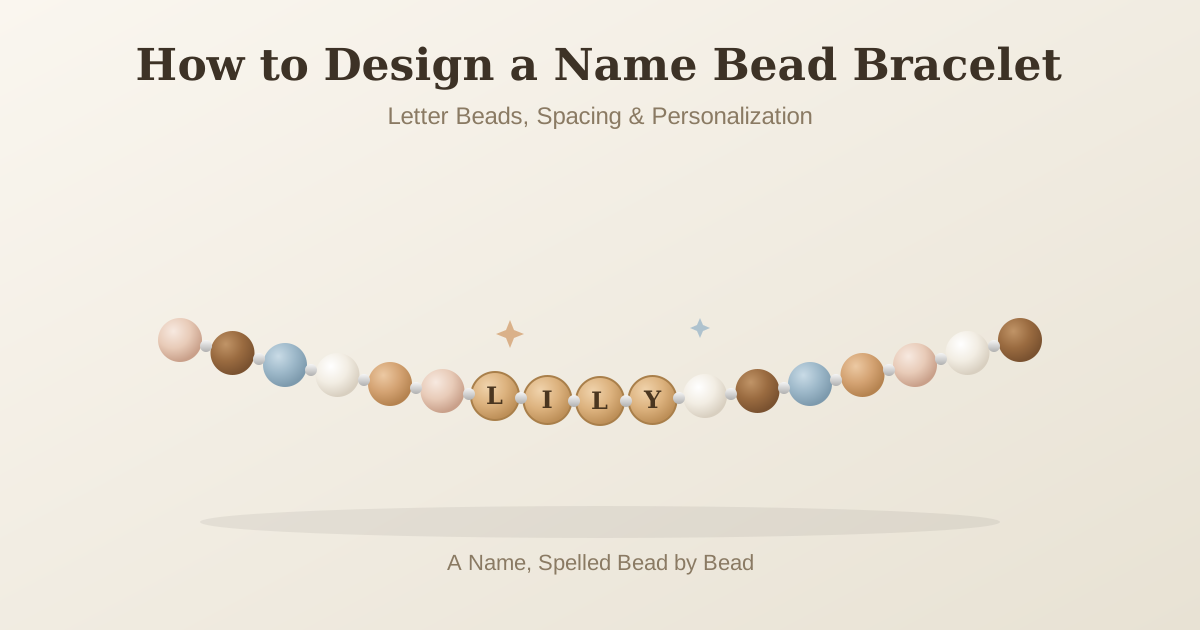
A name bracelet is one of the most personal pieces of jewelry you can make: a row of letter beads that spells out a name, a nickname, or a word that matters to the person wearing it. It looks simple, but the difference between a bracelet that reads beautifully and one that looks jumbled comes down to a few small choices — letter size, spacing, and where the name sits on the wrist. Here is how to plan a name bead bracelet that fits, reads clearly, and feels like it was designed bead by bead for the person who will wear it.
Choose letter beads about 2 mm smaller than the beads around them — 6 mm letters beside 8 mm beads is the pairing we use most. Spell the name in one font style, keep one small spacer between words (and none between the letters of a single word), and center the name so it sits on top of the wrist, with the clasp at the back. For a typical 6.5-inch wrist and a six-letter name, plan on roughly 18 to 20 beads in total.
Start with the name, then the wrist
Before you open the bead library, decide what the bracelet will say. A full name, a nickname, initials, or a short word like "love" or "mama" all work — the best choices are words the wearer actually uses. Longer names are not a problem; they just change the proportions. A six-letter name at 6 mm takes up about 1.5 inches of a typical 6.5-inch wrist, which leaves room for accent beads on each side. A ten-letter name will fill most of the bracelet, and that can look striking when the letters are the whole design. Measure the wrist first, count the letters, and only then start choosing beads.
Choose letter beads that match the design
Letter beads come in a few styles: flat metal letters in gold or silver, resin letters, and carved wood or stone. For a first name bracelet, flat metal letters with a simple font read most clearly at wrist distance. Two rules matter more than the material. First, keep every letter in the same style — mixing fonts inside one name usually looks accidental. Second, keep the letters proportional to the beads around them. A 4 mm letter next to an 8 mm bead gets lost; a 6 mm letter beside 8 mm beads holds its own. If the whole bracelet is made of letters, 6 mm is a comfortable size for most wrists.
Spacing is what makes a name readable
Spacing is where most name bracelets go wrong. Between the letters of one word, use no spacer at all — a solid row of letters reads as one word. Between two words, like a first and last name, one small spacer keeps them distinct. The two common mistakes are putting a spacer between every letter, which breaks the name into pieces, and crowding the letters so tightly against charms that the name stops reading. Give the name a little breathing room at both ends, and it will look intentional rather than busy.
Center the name and balance the rest
The name should sit at the center of the design, on top of the wrist, where it is visible when the hand rests naturally. Build outward from the name in a simple pattern: letter beads in the middle, then a spacer, then an accent bead on each side, then more beads toward the clasp at the back of the wrist. Symmetry is the easiest way to make a name bracelet look finished, but it is not a rule — an asymmetric design with all the accents on one side can be lovely. What matters is that the name itself stays centered.
Small details that make it feel personal
A few details turn a name bracelet from a product into a gift. Check the back of the letter beads: many are flat on one side, so thread them with the flat side facing out for a consistent look. Use a birthstone bead at the end of the name for a second layer of meaning. Add a heart or star bead as a separator between a name and a date. Keep metal finishes consistent — gold letters with gold spacers, silver with silver. And remember that initials, a child's name, or a place that matters can mean more than a full name ever could.
A note on durability
Letter beads are thin, which makes them light and comfortable, but thin beads can wear a little faster than round ones in daily use. Flat metal letters are the most durable; painted resin letters can chip with heavy wear against metal spacers. Keep the name away from the clasp, where friction is highest, and if you wear the bracelet every day, choose a stretch cord or beaded string that is designed to be replaced easily. With reasonable care, a name bracelet lasts as long as any other custom piece.
Ready to spell it out? Open the bracelet designer, pick your letter beads from the bead library, and build a name bracelet that reads exactly the way you meant it — bead by bead.
Related guides: How to Design a Monogram Bracelet and How to Design a Bracelet with a Quote or Short Message.