
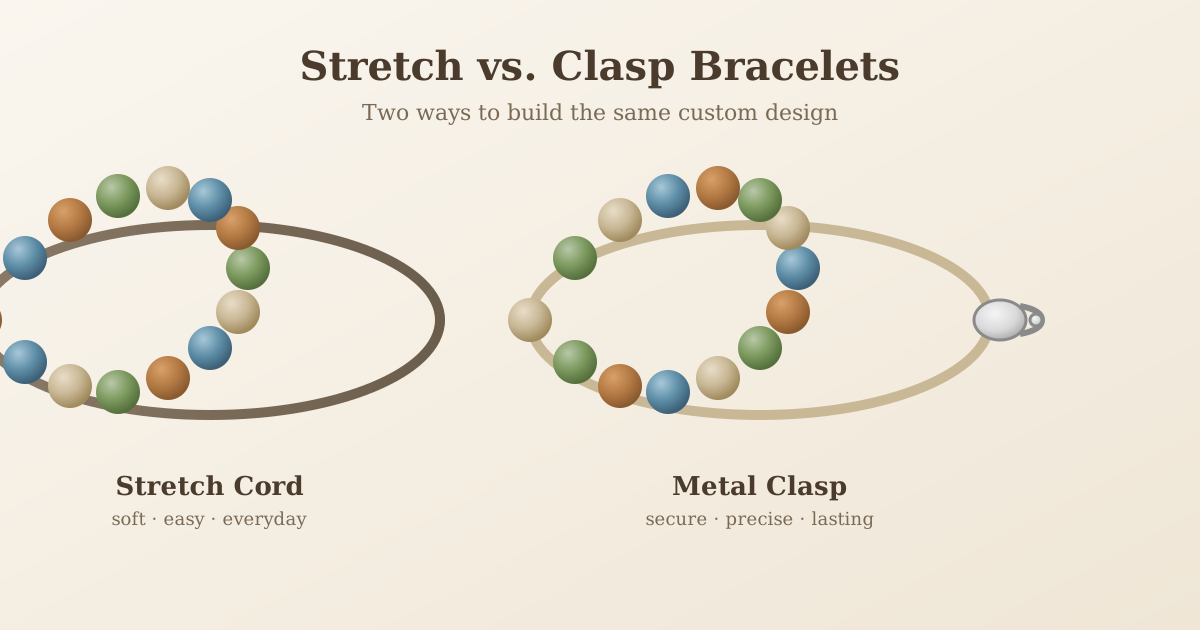
Las cuentas se llevan toda la atención, pero es la construcción la que decide cómo se siente realmente una pulsera en la muñeca. Un diseño que parece idéntico en una foto puede hacerse de dos maneras muy distintas: ensartado en hilo elástico que pasa por la mano, o montado en hilo firme con un cierre de metal que se abre y se cierra. Ambas son preciosas y totalmente personalizables, pero se asientan, se llevan y duran de forma diferente. Elegir entre ellas es una de las primeras decisiones reales de cualquier diseño personalizado, y merece tomarse a conciencia. Esta guía compara con honestidad las pulseras elásticas y con cierre —comodidad, ajuste, durabilidad y qué tipo de uso le va a cada una— para que elijas la construcción que encaja con cómo se va a usar de verdad la pulsera.
Elige hilo elástico para una pulsera suave e informal que te pones y te quitas en segundos: ideal para el día a día, para combinar varias y para la mayoría de diseños con cuentas de hasta unos 8 mm. Elige cierre para una pieza más segura y duradera que se ajusta con precisión: la mejor opción para cuentas pesadas, looks más arreglados y regalos pensados para conservarse durante años. Ambas construcciones pueden hacerse con las mismas cuentas de la biblioteca de cuentas, y puedes indicar tu preferencia al diseñar en el diseñador de pulseras.
1. Las mismas cuentas, dos pulseras distintas
Una pulsera elástica se ensarta en hilo elástico. El hilo se estira lo justo para pasar por la mano y luego se ajusta cómodamente a la muñeca: sin cierre, sin piezas móviles, nada que abrir ni cerrar. Una pulsera con cierre se ensarta en hilo firme o alambre flexible para bisutería, y los dos extremos se unen con un cierre metálico, normalmente un mosquetón, un cierre de palanca o uno magnético. Las cuentas pueden ser idénticas en ambas; la experiencia de llevarlas, no. Ninguna construcción es mejor en términos absolutos: responden a preguntas distintas. ¿Quieres que la pulsera no requiera ningún esfuerzo, o que sea segura y ajustable? La elección correcta depende de las cuentas, de la muñeca y de cómo se vaya a llevar la pulsera cada día.
2. Pulseras elásticas: fáciles, suaves y pensadas para el día a día
El elástico es la opción más popular para las pulseras de cuentas personalizadas, y con razón. Es lo más fácil de poner —un solo gesto, sin pelearse con un cierre—, algo que importa con las prisas de la mañana o para quien tiene poca fuerza en las manos. Como el hilo no se ve, la pulsera se percibe como cuentas puras, lo que mantiene limpio el diseño y deja que hablen los colores y las texturas.
Además, el elástico es suave al llevarlo. No hay metal que se clave en la muñeca, la pulsera se mueve contigo y puede llevarse holgada para un aire relajado o ajustada para que no se mueva. Para combinar varias, el elástico es difícil de superar: varias pulseras elásticas entran juntas sin que los cierres se enganchen entre sí ni se claven en la muñeca.
Los inconvenientes son reales. El hilo elástico no es eterno: con uso diario pierde tensión poco a poco, sobre todo si la pulsera se lleva en la ducha o con calor, ya que el calor y la humedad aceleran el deterioro del elástico. Las pulseras elásticas también son de talla única: sirven para un rango de muñecas, pero no se pueden ajustar con precisión, y las cuentas muy pesadas estiran el elástico más rápido.
3. Pulseras con cierre: seguras, precisas y hechas para durar
Una pulsera con cierre se comporta como una joya en el sentido tradicional. El hilo firme o el alambre mantiene la forma, las cuentas quedan uniformemente espaciadas y el cierre mantiene la pulsera justo donde la colocas. Si buscas una pieza que se sienta acabada, sólida y algo más formal, una pulsera con cierre lo consigue de una forma que el elástico no puede.
Los cierres también tienen ventajas prácticas. Muchas pulseras con cierre incluyen una pequeña cadena de extensión que da unos milímetros de margen, útil cuando estás entre dos tallas o quieres llevarla algo más holgada algunos días. Y como la construcción se basa en fornituras metálicas y no en elástico, una pulsera con cierre y componentes de calidad es una pieza realmente duradera.
El inconveniente es la comodidad. Los cierres requieren un momento para abrocharse, y unos estilos son más fáciles que otros: el mosquetón es seguro, pero necesita las dos manos y algo de destreza; el de palanca es sencillo, pero puede engancharse en la tela; el magnético es el más fácil y una elección considerada para quien tiene dificultades con los cierres pequeños.
4. Ajuste: cómo queda cada una en la muñeca
Las pulseras elásticas sirven para un rango de tallas: una que le queda bien a una muñeca de 15,5 cm también le irá a una de 16,5 cm, solo que algo más holgada. Por eso el elástico perdona tanto cuando diseñas un regalo sin conocer la medida exacta de la muñeca. Busca un ajuste ceñido pero cómodo; si la pulsera queda demasiado apretada, el elástico está siempre en tensión y se desgasta antes.
Las pulseras con cierre se dimensionan con más precisión. Deben quedar lo bastante ceñidas para no girar, con el cierre apoyado cómodamente en la cara interna de la muñeca. La cadena de extensión permite un pequeño ajuste, pero la talla base debe ser correcta, así que aquí importa más conocer la medida exacta. Si puedes medir la muñeca, una pulsera con cierre ofrece el ajuste más a medida.
5. Durabilidad y cuidados con el tiempo
Expectativas honestas: una pulsera elástica bien hecha y de uso diario suele durar de uno a tres años antes de que el elástico se afloje. No es un defecto: el elástico es un material que se desgasta, y reensartar una pulsera elástica favorita es una forma económica de devolverle la vida. Quitártela antes de ducharte, nadar o dormir alarga mucho su vida útil.
Una pulsera con cierre en hilo firme o alambre está hecha para durar mucho más, siempre que el metal sea de buena calidad. La plata de ley, el acero inoxidable y las fornituras gold-filled aguantan años de uso diario; el metal base bañado es el que conviene evitar, porque el baño puede desgastarse con el tiempo. Con los materiales adecuados, la pulsera con cierre es la pieza más permanente, una de las razones por las que suele ser la mejor elección para regalos de momentos importantes.
6. ¿Qué construcción para cada persona?
Algunas reglas prácticas: elige elástico para el uso diario informal, para combinar varias pulseras, para niños y para regalos cuando no conoces la medida exacta de la muñeca. Elige cierre para cuentas más pesadas o grandes, para ocasiones más arregladas y para regalos pensados para durar años: aniversarios, cumpleaños, recuerdos de alguien querido.
Ten en cuenta también las manos de quien la llevará. El elástico no requiere ninguna destreza, así que para alguien con artritis o dificultades con los cierres pequeños, el elástico —o un cierre magnético— es la elección más considerada. Y si la pulsera se va a llevar durante actividad física, un mosquetón seguro es mejor que el elástico, que puede romperse con un tirón repentino.
7. Cómo decidir al diseñar
Empieza por las cuentas. Las cuentas pequeñas y medianas, las piedras ligeras y las paletas informales quedan genial en elástico; las cuentas gruesas, las piedras pesadas y los diseños elegantes o formales se inclinan hacia el cierre. Luego piensa en la muñeca: ¿la pulsera es para ti, con una medida conocida, o es un regalo sorpresa? Por último, piensa en la vida útil que buscas: ¿un accesorio diario o un recuerdo para siempre? La mayoría acaba teniendo ambas: un conjunto de elásticas para el día a día y una pulsera con cierre para las ocasiones que piden algo más. Las dos se crean cuenta por cuenta a partir de la biblioteca de cuentas, y las dos empiezan en el mismo sitio: el diseñador de pulseras.
¿No tienes claro si tu diseño debe ser elástico o con cierre? Abre el diseñador de pulseras, elige tus cuentas en la biblioteca de cuentas e indica tu preferencia: haremos la pulsera tal y como de verdad la vas a llevar.
Guías relacionadas (en inglés): hilo elástico o alambre para bisutería y cómo elegir el cierre adecuado para tu pulsera personalizada.