
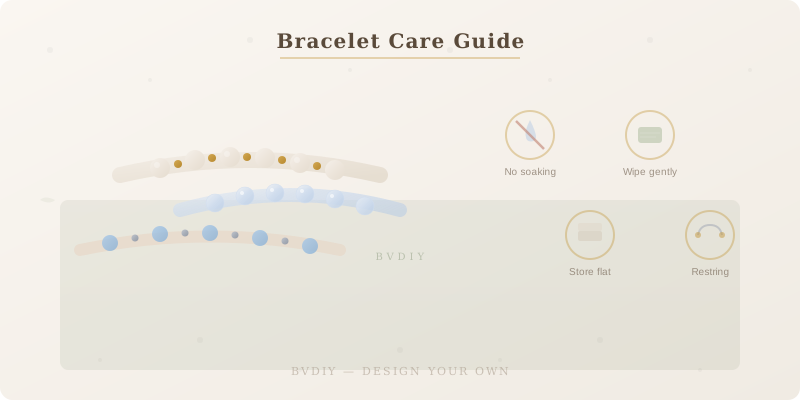
A custom beaded bracelet is something you reach for regularly — sliding it on as part of your morning routine, wearing it through the day, and keeping it close because it means something to you. The beads catch the light, the spacers shine, and the design you chose becomes part of how you look and feel. But daily wear naturally brings oils, lotions, dust, and moisture to the bracelet, and without occasional care, the finish can dull, the elastic can stretch, and the colors can lose their clarity. This guide covers how to clean each bead type safely, what to avoid, how to store your bracelet between wears, and when it needs restringing — so your custom design stays beautiful through the seasons.
Clean your beaded bracelet by gently wiping each bead with a soft, dry microfiber cloth after each wear. For deeper cleaning, use a slightly damp cloth with room-temperature water and mild dish soap only — no harsh chemicals, no soaking, no ultrasonic cleaners. Store your bracelet flat in a soft pouch or jewelry box away from direct sunlight, and avoid wearing it in water, while sleeping, or during heavy activity. With regular gentle care and restringing every 12 to 18 months, a well-made custom bracelet can look beautiful for years.
1. Daily care: the simple habit that makes the biggest difference
The most effective care habit is also the simplest: wipe your bracelet with a soft, dry cloth before putting it away each day. A single pass with a microfiber cloth removes the invisible layer of natural skin oils, hand lotion, and dust that accumulates during normal wear. When these residues sit on bead surfaces for days or weeks, they can cause pearl finishes to lose their luster and metal spacers to develop a dull film.
Keep a small microfiber cloth in your jewelry box or on your nightstand so the habit takes no effort. A 10-second wipe after removing your bracelet each evening prevents the buildup that would otherwise require deeper cleaning. This single habit is the most reliable way to keep every finish — pearl, crystal, and metal — looking fresh between deeper cleaning sessions.
Beyond wiping, it helps to put your bracelet on after applying lotions, perfumes, and sunscreen. These products contain oils, alcohols, and chemical compounds that can accelerate finish wear on beads and elastic cord. Giving each product a minute or two to absorb into your skin before putting on your bracelet creates a protective barrier between the product and the beads.
2. How to clean each bead type
Different bead materials need different cleaning approaches. Using the wrong method on a delicate finish can cause permanent damage, so it is worth distinguishing between the three main bead types used in custom BVDIY bracelets.
Pearl beads are the most delicate. The soft, warm finish that makes pearl beads so beautiful is also what makes them vulnerable. Clean pearl beads with a dry or very slightly damp microfiber cloth only. Do not use any soap, cleaning solution, or ultrasonic cleaner on pearl finishes. If your pearl bracelet has accumulated visible residue from lotion or sunscreen, dampen the cloth with room-temperature water and wring it out until barely moist, then gently wipe each bead. Dry immediately with a separate soft cloth. Pearl beads should never be soaked in water or exposed to cleaning agents. Store pearl bracelets separately from other jewelry so metal clasps and harder beads do not scratch the soft pearl surface.
Crystal beads are more durable and easier to clean. Use a soft microfiber cloth slightly dampened with room-temperature water. Gently wipe each bead to remove oils and residue, then dry immediately with a clean cloth. For a deeper clean, mix a single drop of mild dish soap into a small bowl of room-temperature water, dip the cloth into the solution, wring thoroughly, and wipe each bead. Rinse by wiping with a clean, water-dampened cloth, and dry immediately. Avoid paper towels — they can leave micro-scratches on polished crystal surfaces over repeated use. Crystal beads can handle occasional gentle cleaning, but avoid soaking or ultrasonic cleaners.
Metal spacer beads and clasps benefit from periodic polishing to restore shine. Use a soft, dry cloth to buff gold or silver spacers gently. If the metal has started to look dull despite regular wiping, use a jewelry polishing cloth designed for gold or silver — the kind impregnated with gentle polishing compounds. Dab the cloth lightly on each spacer bead, then buff with a clean section of the cloth. Do not use liquid metal polish or dipping solutions on the bracelet while it is assembled, as the liquid can seep into the elastic cord and cause deterioration. If the metal needs significant cleaning, it is safer to have the bracelet professionally restrung with freshly polished spacers.
Browse the available finishes in the BVDIY bead library to learn which materials are in your specific bracelet design before choosing a cleaning method.
3. What to avoid: common care mistakes
Some well-intentioned cleaning habits can damage a beaded bracelet. Here are the most common mistakes and why to avoid them.
Do not soak the bracelet. Submerging a beaded bracelet in water is the fastest way to weaken the elastic cord. Even high-quality elastic absorbs water over time, which causes it to stretch, develop micro-cracks, and eventually snap. Water can also get trapped inside the clasp mechanism and cause corrosion. A gentle wipe with a damp cloth is sufficient for cleaning — soaking is never necessary.
Do not use chemical cleaners. Household cleaning products, jewelry dips, nail polish remover, rubbing alcohol, and vinegar can all damage bead finishes. These chemicals can strip the luster from pearl beads, cloud crystal bead clarity, and tarnish metal spacers. Mild dish soap and water is the strongest cleaning solution that should ever touch a beaded bracelet.
Do not use ultrasonic cleaners. Ultrasonic jewelry cleaners use high-frequency vibrations to dislodge dirt, but these vibrations can cause invisible micro-fractures in both pearl and crystal beads. The elastic cord is also subjected to stress from the vibrations. Ultrasonic cleaning is designed for solid metal jewelry, not beaded designs on elastic cord.
Do not pull or stretch the bracelet. Every time you stretch the elastic cord to slide the bracelet over your hand, the cord experiences micro-strain. To reduce this strain, roll the bracelet onto your wrist rather than pulling it over your hand. Place your thumb inside the bracelet and roll it outward over your hand in one smooth motion. This habit alone can extend the life of the cord by months.
4. Storage: keeping beads safe between wears
How you store your bracelet when you are not wearing it matters almost as much as how you clean it. Improper storage can cause bead scratches, cord stretching, and metal tarnishing.
Store flat, not hanging. Hanging a beaded bracelet by its clasp puts constant tension on the elastic cord. Over weeks and months, this tension stretches the cord unevenly, leading to a bracelet that sags on one side. Instead, store the bracelet laid flat in a soft pouch or in a compartmented jewelry box. A fabric-lined jewelry box with individual slots is ideal because it keeps each bracelet separate and supported.
Separate by bead type. If you own multiple beaded bracelets, store pearl bracelets separately from crystal or metal bracelets. Pearl finishes are softer than crystal and metal, so they can develop scratches from friction against harder beads during storage. Placing each bracelet in its own soft pouch prevents unintended contact.
Avoid direct sunlight and heat. Prolonged exposure to direct sunlight can fade certain bead finishes, especially colored crystals and some pearl tones. Heat also accelerates elastic cord aging. Store your bracelets in a cool, dark place — a jewelry box in a climate-controlled room is ideal. Avoid bathrooms and kitchens, where humidity and temperature fluctuate, and avoid windowsills and car glove compartments where sunlight and heat concentrate.
Travel storage. When traveling, carry your bracelet in a soft pouch or a dedicated travel jewelry case. Wrapping it loosely in a soft cloth inside your regular bag works for short trips. Avoid placing the bracelet in a pocket with keys, coins, or other hard objects that can scratch the beads during movement.
If you are designing a new bracelet and considering your daily routine, the BVDIY bracelet designer lets you select bead materials that match your lifestyle — crystal beads for those who want low-maintenance sparkle, or pearl beads for those who appreciate the gentle care ritual that comes with a softer finish.
5. When to restring your bracelet
Elastic cord is the most functional component of a beaded bracelet, and like all functional components, it has a finite lifespan. Knowing when to restring prevents the disappointment of a snapped bracelet and scattered beads.
Signs your bracelet needs restringing:
- Visible sagging or drooping between beads — the bracelet no longer holds a consistent curve on your wrist
- The bracelet sits significantly lower on your wrist than when it was new, requiring you to slide it back into place throughout the day
- The clasp slides toward the front of your wrist instead of staying centered at the back
- The cord is visible or fraying between beads, especially near the clasp attachment
- The bracelet feels noticeably looser even though your wrist size has not changed
Timeline: With daily wear, most bracelets benefit from restringing every 12 to 18 months. If you wear your bracelet every day in active conditions — during exercise, manual work, or frequent hand washing — restringing every 12 months is a wise precaution. If you wear your bracelet less often, the cord can last 18 to 24 months. Elastic does not last forever, and restringing is a normal and expected part of a bracelet's life.
The restringing process: Restringing involves removing all beads from the old cord, cleaning each bead individually, and threading them onto fresh elastic cord with a new clasp. It is a careful process that requires the right materials — stretch-resistant elastic, crimp beads, and proper knotting technique. BVDIY bracelets are designed to be restrung, and the beads remain as beautiful as the day you first chose them. If your bracelet needs restringing, contact BVDIY support for guidance or to arrange professional restringing service.
6. Seasonal care considerations
Different seasons bring different conditions that affect your bracelet. A little seasonal awareness helps you adjust your care routine.
Summer: Heat and humidity cause your wrist to swell slightly, which puts the bracelet under more tension than usual. You may notice the bracelet feeling snugger in summer than in winter. This is normal, but it also means the elastic is under more stress. Consider switching to a slightly looser fit during hot months, or reduce your bracelet-wearing time during intense heat. Sweat and sunscreen also accumulate on beads more quickly in summer, so the daily wipe routine becomes especially important.
Winter: Dry indoor heating can cause elastic cord to become slightly more brittle over time. Your wrist also shrinks slightly in cold weather, so a bracelet that fit perfectly in summer may feel looser in winter. This is normal and does not require action unless the looseness bothers you. The daily wipe routine is less critical in winter because there is less sweat and sunscreen, but the bracelet still benefits from occasional gentle cleaning and proper storage away from heat vents.
Rainy or humid climates: If you live in a consistently humid environment, check your bracelet's elastic tension monthly. Humidity accelerates cord aging more than any other environmental factor. Consider restringing at the 12-month mark rather than waiting for visible signs if you live in a tropical or consistently humid climate.
7. When to seek professional care
While daily cleaning and careful storage can be done at home, some situations benefit from professional attention. If your bracelet has experienced a sudden impact — dropped onto a hard floor, caught in a door, or stepped on — inspect each bead carefully for cracks or chips. Crystal beads can develop invisible fractures from hard impacts that may not appear until later wear. If you see any chips, cracks, or rough edges on a bead, replace that bead promptly to prevent sharp edges from scratching adjacent beads or catching on clothing.
If the elastic cord has snapped, gather all beads and spacers and store them in a sealed bag or small container. Do not attempt to restring them yourself with household thread or string — the wrong material will snap quickly or damage the bead holes. Contact BVDIY for restringing guidance or send your beads in for professional restringing.
A well-cared-for custom bracelet becomes part of your daily life, and like anything that accompanies you through your days, it deserves a little attention now and then. The small habits — a daily wipe, careful storage, seasonal awareness, and timely restringing — are what keep a beautiful design looking its best for years of wear.