
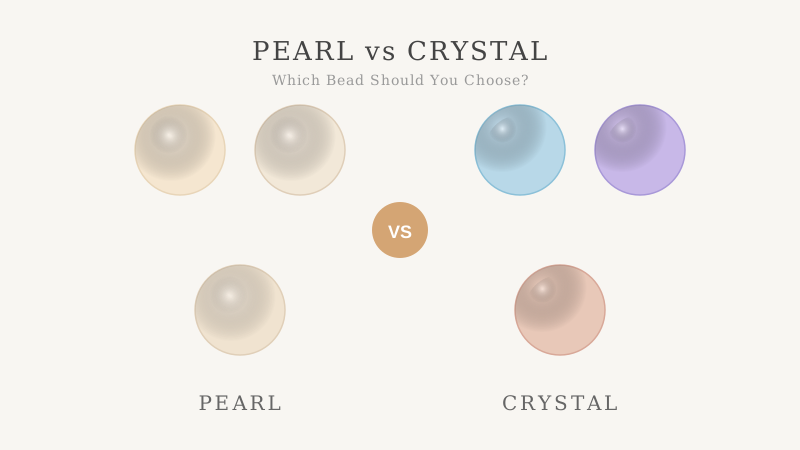
Pearl beads and crystal beads are two of the most popular choices for custom bracelets at BVDIY, and for good reason. Both offer beauty, versatility, and lasting quality. But they look different, feel different, and work best in different designs. If you are deciding between a pearl-based bracelet and a crystal-based bracelet, the choice comes down to how much finish, light, and texture matter to the person wearing it. This guide breaks down the key differences so you can choose with confidence.
Choose pearl beads when you want a soft, warm, matte finish that feels classic and understated. Pearls work best for everyday wear, neutral-toned palettes, and designs that feel elegant without being flashy. Choose crystal beads when you want light-catching sparkle, transparent depth, and crisp color that pops. Crystals are ideal for statement designs, evening wear, and bold color combinations. If your bracelet uses a mix of both — pearl as the neutral base with crystal accent beads — you get the warmth of pearls and the sparkle of crystals in one cohesive design.
1. The fundamental difference: finish and light
Pearl beads have a soft, luminous finish. They reflect light gently rather than sharply, creating a warm glow that is easy on the eye. A pearl bracelet reads as soft, understated, and elegant. The surface is slightly matte with a subtle iridescence that shifts as the bracelet moves. Pearls do not demand attention — they invite it gently.
Crystal beads are transparent or semi-transparent with polished facets that catch and bend light. A crystal bracelet sparkles. The clear surfaces create sharp highlights and visible depth that change dramatically with movement and lighting. Crystals are more visually active than pearls — they catch the eye from across the room.
This difference in light behavior is the single most important factor in choosing between them. If you want a bracelet that glows softly, go with pearls. If you want one that sparkles and shines, go with crystals. Neither is better — they simply create different visual experiences.
2. Color behavior: how pearls and crystals display color
Pearl beads carry color on their surface. A cream pearl bead is creamy all the way through its visible surface, with the color coming from the nacre layers. The color is solid, consistent, and soft. Pearl bead colors tend toward natural tones: cream, white, champagne, blush pink, pale grey, and soft lavender. Even colored pearls maintain a gentle, muted quality.
Crystal beads carry color through their interior. A colored crystal bead is transparent, so the color appears saturated and luminous. Light passes through the crystal and bounces off the facets, creating depth and intensity. Crystal bead colors can be bold: deep sapphire, vibrant emerald, bright amethyst, rich ruby red. The colors are sharper and more vivid than pearl tones.
This makes each type naturally suited to different design goals. Pearl beads excel in soft, natural, romantic palettes. Crystal beads excel in bold, colorful, statement-making designs. If you want a bracelet that whispers, choose pearls. If you want one that speaks, choose crystals.
Browse the full range of both finishes in the BVDIY bead library to compare colors side by side before designing your layout.
3. Durability and daily wear
Both pearl and crystal beads are durable enough for regular wear, but they require different levels of care.
Pearl beads have a soft surface that can scratch or abrade over time if the bracelet is worn against hard surfaces, stacked tightly with other jewelry, or exposed to lotions and perfumes frequently. Quality pearl beads hold up well with normal care, but they are not the toughest material in the bead library. For a bracelet that will be worn daily through physical activity, frequent hand washing, and exposure to products, pearls require periodic wiping and gentle storage.
Crystal beads are harder and more scratch-resistant. The polished glass surface resists abrasion and does not absorb oils, lotions, or moisture. A crystal bracelet holds up better to daily wear, frequent hand washing, and stacking with other bracelets. Crystals are easier to clean — a quick wipe restores their clarity. For a bracelet that needs to endure regular activity without showing wear, crystals are the more practical choice.
That said, crystal beads can chip if struck against a hard edge with enough force. Neither material is indestructible, but for everyday wear, crystals have a clear durability advantage.
4. Weight and feel on the wrist
Pearl beads have a solid, slightly heavier feel than crystal beads of the same size. A pearl bracelet has a satisfying weight that many wearers describe as feeling more substantial and premium. The beads sit against the skin with a smooth, warm touch that is comfortable for all-day wear.
Crystal beads are lighter due to their transparent composition. A crystal bracelet feels airy and delicate on the wrist. The lightness can make longer designs or multi-strand bracelets more comfortable, since there is less total weight pulling on the clasp. Crystal beads also feel cooler against the skin initially — they warm up with body heat but start at room temperature.
The weight difference matters most for larger bead sizes. At 6mm, the difference is barely noticeable. At 8mm and above, pearls feel noticeably more substantial. If the bracelet is being designed for someone who prefers lightweight, unobtrusive jewelry, crystals may feel more comfortable. If they prefer jewelry with a bit of presence, pearls deliver that.
5. Design compatibility: what each material pairs with
Pearl beads pair naturally with warm metal accents, especially gold and rose gold. Cream pearls with gold spacers create a classic, timeless look. White pearls with silver spacers feel more contemporary but still soft. Pearl beads also complement stone beads, wooden beads, and other matte finishes well — they share a similar visual weight and texture.
Crystal beads are more versatile with metals because the transparent material lets any metal finish shine through. Clear crystals work with gold, silver, and rose gold equally well. Colored crystals tend to read slightly cooler, making silver a natural partner for blue and purple crystals, while gold warms up amber and green crystal tones.
Pearls and crystals also combine beautifully within the same bracelet. A design that alternates cream pearls with clear crystal beads creates a rhythm of matte and sparkle that catches the eye from every angle. This combination is one of the most popular design choices at BVDIY because it gives you the best of both materials in a single piece. Experiment with bead combinations in the BVDIY bracelet designer to see how different pairings look in your layout.
6. Price comparison
Pearl and crystal beads are similarly priced at BVDIY, with no significant difference in cost per bead. The price of a finished bracelet depends more on bead size, total bead count, and the metal finish of spacers than on the bead material itself.
If you are comparing by perceived value, pearl bracelets often feel more premium due to their weight and classic association with luxury jewelry. Crystal bracelets feel fresh and contemporary but do not carry the same traditional value perception. For a gift, pearl bead bracelets tend to be perceived as more precious, while crystal bead bracelets read as more fashion-forward and modern.
7. Quick reference: choosing between pearl and crystal
Choose pearl beads when you want:
- A soft, warm, matte finish that glows rather than sparkles
- Natural, neutral, or romantic color palettes
- A bracelet that feels classic and timeless
- More substantial weight and presence on the wrist
- A gift that feels traditionally elegant and premium
Choose crystal beads when you want:
- Sparkle, shine, and light-catching brilliance
- Bold, saturated, or vivid color combinations
- A bracelet that feels modern and fashion-forward
- Lightweight comfort for all-day wear
- Better durability for frequent daily wear and activity
Choose both when you want:
- The warmth of pearls with the sparkle of crystals in one design
- A textured pattern with alternating matte and transparent beads
- Maximum visual interest without using multiple colors
- A bracelet that works for both casual and dressy occasions
Seeing the beads in person helps make the final call. Browse the BVDIY bead library to explore pearl and crystal bead finishes side by side, then build your design bead by bead in the studio.
If you would rather skip the bead-by-bead decision and want a ready-made pearl piece, the Floral Pearl Drop Earrings pair naturally with a pearl-based bracelet — the same soft, luminous finish in a dressier format.
Related guides: How to Choose Bead Materials for a Custom Bracelet and How to Clean and Maintain Your Custom Beaded Bracelet.