
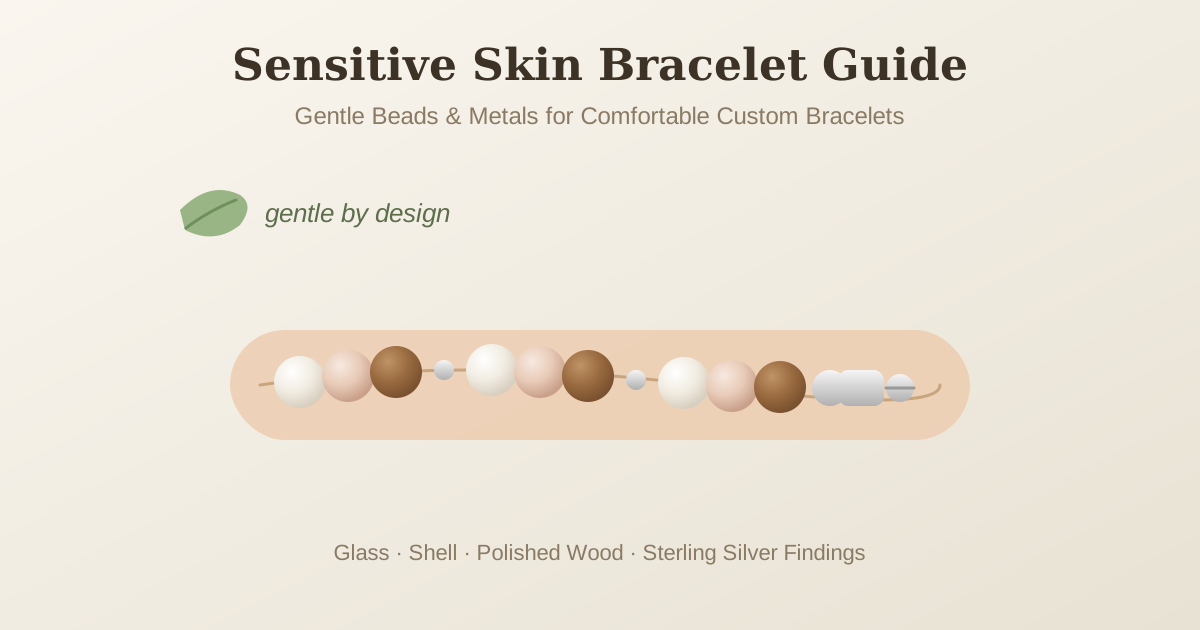
If your skin reacts to jewelry, you have probably learned to expect the same thing: a warm, itchy patch an hour after you put something on. It is frustrating, and it often makes people give up on bracelets entirely. But here is the encouraging part — most skin reactions to jewelry come from a small number of specific materials, usually the metal clasp or spacer beads, not the beads themselves. A custom bracelet can be designed around your skin. Choose gentle bead materials, pick the right findings, keep the fit comfortable, and a bracelet you can wear all day is genuinely achievable. This guide explains which materials are gentlest for sensitive skin, which ones to avoid, and how to design a piece that stays comfortable from morning to night.
Design your bracelet around smooth, stable materials and skip the common irritants. Choose glass, shell, mother of pearl, or natural wood beads; ask for sterling silver, titanium, or 316L stainless steel findings instead of plated base metal; and keep the fit slightly loose so the bracelet can move without rubbing. Avoid dyed or coated beads and porous stones that trap moisture against the skin. Every material in the bead library can be built with gentle findings — just note your preference when you design in the bracelet designer.
1. The reaction is usually not from the beads
Most people assume the beads are the problem. In practice, the most common trigger in a beaded bracelet is nickel, which shows up in plated base-metal clasps, cheap spacer beads, and many costume-jewelry findings. The beads themselves — especially glass, shell, and natural wood — are stable, non-reactive materials that most skin tolerates fine. So the first step is not to give up on beads; it is to look carefully at the metal and the finish.
That is good news for custom design, because it means you control the parts that matter. A bracelet is only as irritating as its most reactive component. Swap the clasp and spacers to a gentler metal, and a design made of soft, smooth beads can be worn comfortably even by people with reactive skin.
2. Bead materials that are gentle on skin
Some materials are naturally calm against the skin, and they also happen to look beautiful. These are the ones to build your design around:
Glass and crystal. Glass is inert, smooth, and completely non-porous, which makes it one of the friendliest bead materials for sensitive skin. It does not absorb lotions, sweat, or soap, so nothing gets trapped against your wrist. Crystal beads — which are typically lead-free glass — offer the same calm with more sparkle.
Shell and mother of pearl. Natural shell is smooth and cool against the skin, and its subtle iridescence makes it a favorite for elegant designs. Like glass, it is non-porous and easy to keep clean.
Natural wood. Smooth, sealed wood like sandalwood or ebony is generally very well tolerated. The key word is sealed or polished — unfinished wood can absorb moisture and irritate over time. A polished finish keeps the surface smooth and easy to wipe clean.
Some smooth gemstones. Dense, smooth stones like obsidian, onyx, and agate with a high polish can work well. The general rule: the smoother and denser the surface, the less it interacts with your skin.
3. Beads and finishes to avoid
A few categories are worth skipping if your skin is reactive. Dyed or color-treated beads can be a problem — the dyes used on some porous stones are not always skin-stable, and moisture can pull color or residue onto your wrist. Porous stones like lava rock and unsealed turquoise absorb sweat and lotion, which then sit against your skin for hours. And beads with rough or chipped surfaces can cause friction irritation even when the material itself is fine.
None of this means those materials are bad — they are beautiful and popular for many people. They are simply less predictable for sensitive skin, so it is smarter to build your everyday bracelet from the smoother options and save the porous ones for short, occasional wear.
4. Metal findings: where nickel hides
This is the part most people never think about, and it is the most important. The clasp and metal spacer beads touch your skin just as much as the beads do. Plated base metal — the stuff used in most inexpensive jewelry — usually has a nickel-containing core that can show up through the plating as it wears. For sensitive skin, choose findings made from sterling silver, titanium, or 316L stainless steel, which are the most commonly tolerated options.
If you know you have a nickel allergy, say so when you design your bracelet. Sterling silver and titanium are the safest bets, and both are available as clasps and spacer beads in the bead library. It is a small detail that makes the difference between a bracelet you wear and a bracelet you take off after an hour.
5. Fit and daily habits that keep skin calm
Materials matter, but so does how the bracelet sits. A bracelet that is too tight presses into the skin, traps sweat, and creates friction — and friction alone can cause redness even with perfectly gentle materials. Aim for a fit that is comfortable with a little room: about half a centimeter of slack, enough for the bracelet to move slightly without sliding over your hand. If you are not sure, an extension chain lets you adjust after a real day of wear.
Daily habits matter too. Keep the bracelet dry — take it off before swimming, showering, and sleeping. Moisture and soap residue trapped against the skin are a leading cause of irritation that has nothing to do with the materials. A quick wipe with a soft dry cloth at the end of the day keeps both the bracelet and your skin happy. The full care guide for beaded bracelets covers the rest.
6. How to test a new bracelet safely
The honest truth is that no material is guaranteed for every person — skin is wonderfully individual. So treat the first wear as a test. Put the bracelet on for a few hours at home, ideally on a day when you are not sweating much, and check the skin underneath afterwards. If all is calm, extend the wear time. If you see a reaction, it is worth checking whether it lines up with a specific component — most often the clasp — so you can swap that one part instead of abandoning the design.
For people with a diagnosed metal allergy, asking for sterling silver or titanium findings removes the most common culprit entirely. From there, a smooth bead bracelet is about as low-risk as jewelry gets.
Related guides: How to Choose Bead Materials for a Custom Bracelet and How to Clean and Maintain Your Custom Beaded Bracelet.